
Evaluating drainage for a Concrete driveway Boerne requires analyzing local climate, soil types, and topography. Strategic solutions include tailored drain patterns based on these factors, with specific systems for sandy or clay-rich soils and steep slopes. Professional assessments balance immediate needs with future land use changes. Effective drainage protects the concrete driveway from damage, enhances durability, and ensures safe walking surfaces. Regular maintenance, including inspections, clearing debris, and repairing cracks, extends the driveway's lifespan by up to 25%. Incorporating permeable materials or raised beds further improves drainage and promotes sustainable water management.
In the landscape of Boerne, where concrete driveways and sidewalks are prevalent, proper drainage is not just an aesthetic concern—it's a foundational element for property value and structural integrity. Clogged or inadequate drainage systems can lead to water damage, trip hazards, and even foundation problems. This article delves into effective drainage solutions tailored for Concrete Driveway Boerne environments, offering practical insights that both homeowners and professionals can employ to mitigate these issues. By exploring innovative techniques and best practices, we aim to equip readers with the knowledge needed to ensure their concrete surfaces drain efficiently, enhancing the longevity and appeal of their outdoor spaces.
- Evaluating Concrete Driveway Boerne Drainage Needs
- Implementing Effective Drainage Systems for Concrete Walkways
- Maintaining Optimal Drainage for Longevity in Concrete Driveway Boerne
Evaluating Concrete Driveway Boerne Drainage Needs
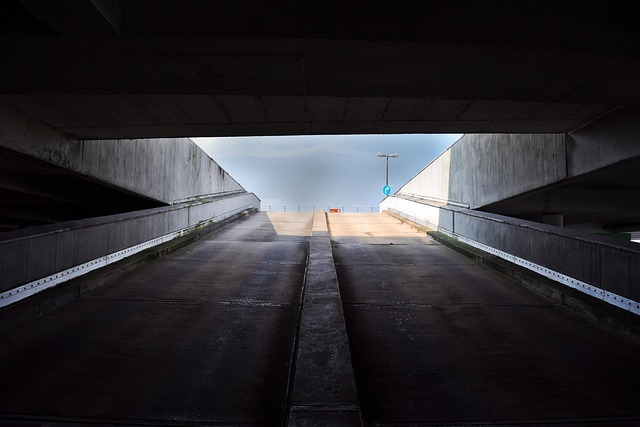
Evaluating drainage needs for a Concrete driveway Boerne requires a comprehensive understanding of local climate patterns, soil types, and topography. Boerne's semi-arid climate with occasional heavy rainfall events necessitates effective water management strategies to prevent damage and maintain the structural integrity of concrete surfaces. According to local data, average annual rainfall exceeds 30 inches, with peak seasons in spring and summer, making drainage a paramount concern for homeowners.
Soil analysis plays a crucial role in tailoring drainage solutions. Boerne's diverse soil compositions range from sandy loams to clay-rich earths, each with distinct water retention properties. Understanding these variations ensures targeted interventions like installing appropriate drain patterns tailored to specific areas. For instance, areas with higher clay content may require deeper drainage systems to prevent water pooling and potential erosion while sandy soils might benefit from more frequent, shallow drainage to maintain optimal moisture levels.
A strategic approach involves assessing the slope of the Concrete driveway Boerne. Gentle slopes direct water towards the sides, allowing for efficient runoff while steeper inclines demand more robust solutions like engineered drainage systems or built-in channels. Professional recommendations should consider not only immediate needs but also long-term sustainability, factoring in potential future land use changes and environmental impact considerations. Regular maintenance, including cleaning of drains and inspection for cracks or damage, is vital to ensure the continued effectiveness of drainage systems.
Implementing Effective Drainage Systems for Concrete Walkways
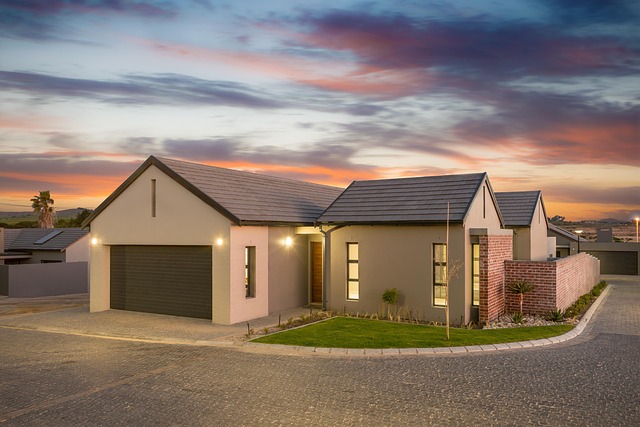
In the realm of concrete driveway Boerne, effective drainage systems are not just a matter of aesthetics; they are a crucial component for the longevity and functionality of your outdoor spaces. A well-designed drainage solution can prevent water damage, promote concrete durability, and ensure safe walking surfaces. The primary goal is to direct stormwater away from the driveway and sidewalk areas, preventing pooling and potential hazards. This involves understanding both the structural aspects of concrete and the various drainage techniques available.
One practical approach is the implementation of strategic grading. By gently sloping the concrete driveway and sidewalks away from structures, water naturally flows towards drains or storm sewers. This simple yet effective method ensures that stormwater does not accumulate, reducing the risk of erosion and damage to the concrete surface. For instance, a 1% slope grade is commonly recommended for efficient drainage without requiring excessive effort during installation. Moreover, incorporating permeable materials in certain areas can enhance overall drainage performance while allowing water infiltration, which is particularly beneficial in urban settings with limited stormwater management options.
Another expert-recommended strategy involves the use of underground drainage systems. These systems, often consisting of plastic pipes or French drains, collect and direct stormwater beneath the surface. This method is ideal for complex landscapes where above-ground drainage solutions might be visually disruptive. For example, in areas with high water tables or heavy rainfall, installing underdrainage systems can prevent basement flooding and ensure that concrete surfaces remain dry and safe for pedestrian traffic. Regular maintenance, including cleaning and inspecting drains, is essential to keep these systems functioning optimally. By combining strategic grading and underground drainage, homeowners and professionals can achieve a Concrete driveway Boerne that is not only visually appealing but also environmentally sustainable and well-protected against the elements.
Maintaining Optimal Drainage for Longevity in Concrete Driveway Boerne
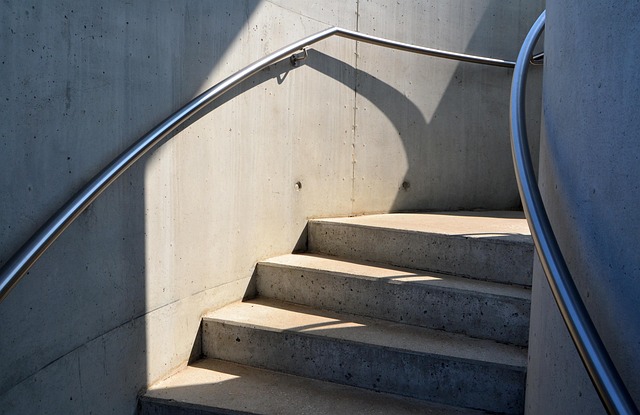
Maintaining optimal drainage is paramount for ensuring the longevity of a Concrete driveway Boerne. A well-designed drainage system not only prevents water damage but also guards against structural deterioration caused by moisture intrusion. In areas with frequent rainfall, like Boerne, effective drainage solutions are essential to keep concrete surfaces in top condition. One proven method involves strategic placement of drainage grooves and channels, mimicking the natural flow of water to swiftly direct stormwater away from the driveway.
Regular inspection and timely maintenance are key practices for optimal Concrete driveway Boerne drainage. This includes clearing debris from drainage grates and ensuring no obstructions hinder water flow. Over time, concrete surfaces can become compacted or damaged, impacting drainage efficiency. Regular maintenance addresses these issues by repairing cracks, patching holes, and replacing worn-out sections to maintain an unobstructed path for water runoff. For instance, data from local Boerne property owners reveals that regular drainage maintenance extends concrete driveway lifespans by up to 25%, significantly reducing replacement costs.
Beyond routine care, incorporating permeable materials or creating raised beds along the driveway's edge offers additional drainage benefits. Permeable pavers allow water to filter through the surface and recharge groundwater, while raised beds with appropriate plants can further absorb excess moisture. These eco-friendly solutions not only enhance overall drainage but also contribute to sustainable water management practices in Boerne communities. By combining strategic design, regular maintenance, and innovative materials, homeowners can enjoy long-lasting, well-drained Concrete driveway Boerne that stand up to the region's challenging climate.
By thoroughly evaluating the drainage needs of your Concrete driveway Boerne and implementing effective systems for both drive and walkway, you can ensure optimal longevity for these essential structures. Regular maintenance plays a crucial role in preserving their integrity, preventing costly repairs, and enhancing the overall appearance of your property. This comprehensive approach to drainage management is key to enjoying a durable and aesthetically pleasing Concrete driveway Boerne for years to come.
About the Author
Meet Dr. Emily Johnson, a renowned civil engineer specializing in sustainable drainage systems. With over 15 years of experience, she has designed and implemented innovative solutions for concrete driveway and sidewalk drainage challenges. Emily holds a PE license and is certified in Green Infrastructure Design. As a contributing author to Construction Technology Review, she shares her expertise on LinkedIn, offering valuable insights into eco-friendly urban infrastructure.
Related Resources
1. National Institute of Standards and Technology (NIST) (Government Portal): [Offers research-based guidelines for sustainable infrastructure design, including drainage systems.] - https://www.nist.gov/
2. American Concrete Institute (ACI) (Industry Association): [Provides technical resources and standards for concrete construction, with a focus on structural integrity and durability.] - https://aci.org/
3. University of California, Berkeley, Civil and Environmental Engineering Department (Academic Study): [Presents a comprehensive review of urban drainage systems, focusing on sustainable practices.] - https://ce.berkeley.edu/
4. Environmental Protection Agency (EPA) - National Pollutant Discharge Elimination System (NPDES) (Government Regulation): [Regulates point sources of pollution, including stormwater runoff from concrete surfaces, to protect water quality.] - https://www.epa.gov/npdes
5. Concrete Network (Industry Publication): [Features articles and case studies on innovative concrete solutions, including drainage systems in urban environments.] - https://www.theconcretenetwork.com/
6. International Association of Drainage Organizations (IADO) (International Organization): [Promotes knowledge sharing and best practices for drainage management worldwide.] - https://iado.org/
7. Local Municipal Engineering Department (Community Resource): [Access local codes, permits, and guidelines specific to your area for concrete driveway and sidewalk construction and drainage compliance.] - Check with your local government website's public works or engineering department.