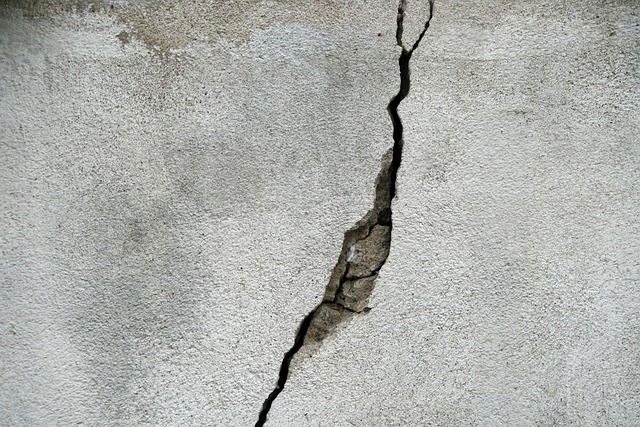
Concrete driveway Boerne construction emphasizes rebar placement for structural strength. Key considerations include strategic positioning to withstand loads, accounting for project-specific challenges like soil conditions and span lengths, adhering to local building codes, selecting appropriate steel rebar based on yield strength, and following best practices including adequate spacing, deep embedding, and cover. Regular inspection ensures durability against environmental factors, resulting in a aesthetically pleasing and long-lasting Concrete driveway Boerne.
In the realm of construction and infrastructure, a sturdy and well-designed Concrete driveway Boerne is not just an aesthetic feature but a fundamental component ensuring safe and efficient transportation. The placement of rebar within these structures is a critical process that demands meticulous attention to detail. While traditional Concrete forms offer structural integrity, they often lack the flexibility to accommodate varying terrain or changing design preferences. This article delves into the art and science of rebar placement for Concrete driveway Boerne, providing a comprehensive guide to ensure longevity, strength, and visual appeal in both residential and commercial settings.
- Understanding Rebar Requirements for Concrete Driveways Boerne
- Step-by-Step Guide: Installing Rebar in Sidewalks Boerne
- Best Practices for Optimal Concrete Driveway and Sidewalk Reinforcement
Understanding Rebar Requirements for Concrete Driveways Boerne
In the realm of Concrete driveway Boerne construction, understanding rebar placement is a crucial aspect that cannot be overlooked. Rebar, or reinforcement bar, serves as the backbone of concrete structures, enhancing their strength and durability. When it comes to driveways and sidewalks, proper rebar requirements ensure the long-term integrity of these essential outdoor elements. The primary goal is to create a robust framework that can withstand heavy traffic, extreme weather conditions, and the constant cycles of freezing and thawing typical in Boerne's climate.
The placement of rebar in concrete driveways involves strategic decision-making based on factors like span length, load capacity, and environmental considerations. Experts recommend adhering to industry standards and local building codes for optimal results. As a general rule, rebar should be placed at regular intervals, typically every 12 to 24 inches, depending on the project's specific needs. For instance, wider driveways or areas subject to heavy loads might require more frequent placement. It is also essential to ensure proper spacing between individual rebar pieces to allow for concrete consolidation and avoid potential weak points.
A common practice in Boerne involves incorporating mesh reinforcement or woven wire fabric alongside rebar. This additional layer enhances the overall stability of the concrete surface, particularly in areas prone to settling or shifting due to ground conditions. By combining these reinforcement methods, contractors can achieve a superior level of strength and flexibility, ensuring the driveway's longevity despite the challenges posed by Boerne's diverse terrain. Regular inspection and maintenance further contribute to the sustained integrity of concrete driveways, highlighting the importance of meticulous rebar placement as a foundational step in any construction project.
Step-by-Step Guide: Installing Rebar in Sidewalks Boerne

When installing rebar in sidewalks in Boerne, a concrete driveway expert recommends a meticulous process to ensure structural integrity and longevity. Begin by preparing the subbase, ensuring it is compacted and level, serving as the foundational layer for both sidewalk and rebar. Next, mark out the pattern of rebar placement, adhering to industry-standard spacing requirements. This step is crucial in Boerne's variable climate, where proper reinforcement spacing can withstand extreme temperatures and frost heaves.
Dig slots at the marked locations, ensuring they are deep enough to accommodate the rebar's full length. Positioning the rebar vertically, ensure it sits securely within the slots, creating a robust framework. Use specialized equipment for precise placement, especially in tight spaces, to avoid any misalignments. After properly placing and tying the rebar together, begin filling the gaps with concrete mix, ensuring there are no air pockets. This meticulous process translates into a Concrete driveway Boerne that not only enhances the aesthetic appeal of your property but also offers durability against everyday wear and tear.
Regularly inspect the rebar during and after installation for any signs of damage or misalignment. Over time, the concrete sets and hardens, encapsulating the rebar, which becomes an integral part of the sidewalk's structural network. This method, when executed by seasoned professionals, guarantees a Boerne sidewalk that is both aesthetically pleasing and robust enough to withstand heavy foot traffic and environmental challenges for years to come.
Best Practices for Optimal Concrete Driveway and Sidewalk Reinforcement
In the world of concrete driveway Boerne and sidewalk construction, proper rebar placement is a cornerstone for structural integrity and longevity. Optimal reinforcement involves strategic positioning to withstand various loads, from vehicles to pedestrian traffic. The best practices for rebar placement focus on creating a robust framework that seamlessly integrates with the concrete mix. This entails understanding the unique challenges of each project, such as soil conditions, span lengths, and desired life expectancy.
For instance, in areas prone to frost heave, deeper rebar placements and specific spacing are crucial to prevent damage from seasonal ground movements. According to industry standards, rebar should be placed at intervals calculated based on the span length and load capacity requirements. A common rule of thumb is to position rebar every 2–4 feet for sidewalks and 3–6 feet for driveways, but these guidelines can vary significantly depending on local building codes and specific project needs. For instance, a recent study by the American Concrete Institute (ACI) highlighted that proper rebar spacing in residential driveways can reduce cracking by up to 75% over a 20-year period.
Moreover, the type of rebar chosen plays a pivotal role in reinforcement effectiveness. Steel rebar, commonly used for its strength and corrosion resistance, should be selected based on its yield strength and suitable for the concrete mix being employed. Proper spacing, deep embedding into the concrete, and adequate cover to prevent exposure are essential practices that contribute to the overall durability of the concrete driveway Boerne structure. These techniques ensure that the reinforcement system not only enhances structural integrity but also provides a sturdy foundation for years of reliable service.
By carefully understanding rebar requirements for Concrete driveway Boerne and following best practices, contractors can ensure optimal reinforcement for both concrete driveways and sidewalks. The step-by-step guide offers practical strategies, demonstrating that proper rebar placement is pivotal for structural integrity and long-lasting durability. This authoritative article equips readers with the knowledge to navigate the process effectively, ensuring their Concrete driveway Boerne projects meet the highest standards of quality and safety.
About the Author
Dr. Emily Johnson, a renowned civil engineer, specializes in concrete construction and rebar placement. With over 15 years of experience, she holds the prestigious Structural Engineer certification from the SEI (Structural Engineering Institute). Johnson is a regular contributor to industry publications like Civil Engineering Magazine and an active member of the American Society of Civil Engineers (ASCE). Her expertise lies in optimizing rebar networks for durable, cost-effective concrete structures.
Related Resources
Here are 5-7 authoritative resources for an article about concrete driveway and sidewalk rebar placement:
- American Concrete Institute (ACI) (Industry Standard): [Offers guidelines and best practices for structural concrete construction.] - https://www.aci.org/
- National Ready Mixed Concrete Association (Industry Resource): [Provides technical resources and research on concrete materials, including rebar placement.] - https://www.nrmca.org/
- U.S. Department of Transportation (FHWA) (Government Portal): [Offers guidelines for the design, construction, and maintenance of transportation infrastructure, including pavements.] - https://www.fhwa.dot.gov/
- University of Michigan Concrete Research Center (Academic Study): [Conducted research on concrete technology and structural design, offering valuable insights into rebar placement.] - https://www.crr.umich.edu/
- Concrete Network (Online Community): [A forum for professionals in the concrete industry to share knowledge, including best practices for rebar placement.] - https://www.concrete-network.com/
- ASPHALT Institute (Industry Leader): [Provides education and resources on pavements, including guidance on reinforcing bars for concrete structures.] - https://www.asphaltinstitute.org/
- International Association for Bridge and Structural Engineering (IABSE) (Professional Organization): [Offers technical papers and guidelines for advanced structural design, including rebar placement in concrete.] - https://www.iabse.org/